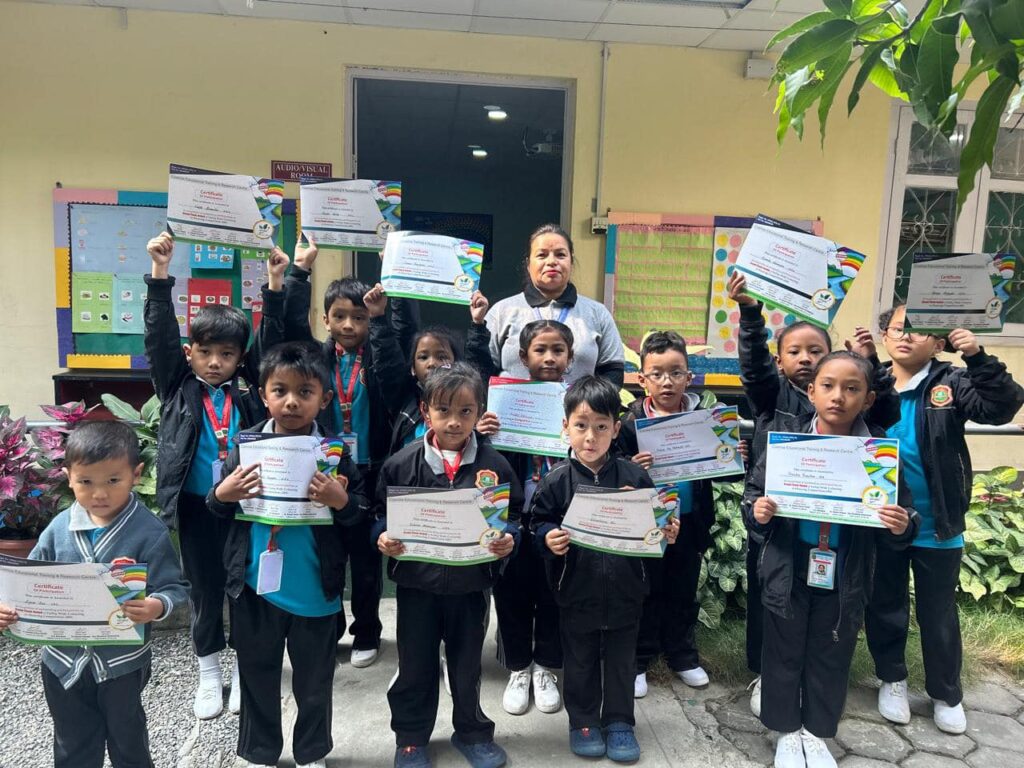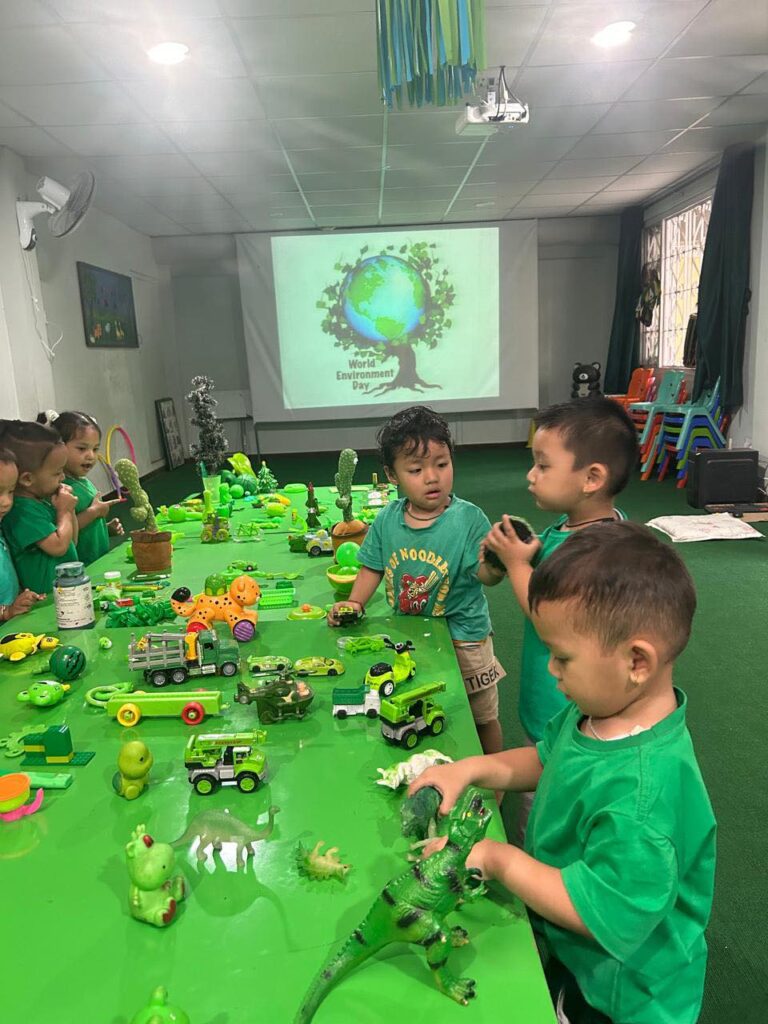
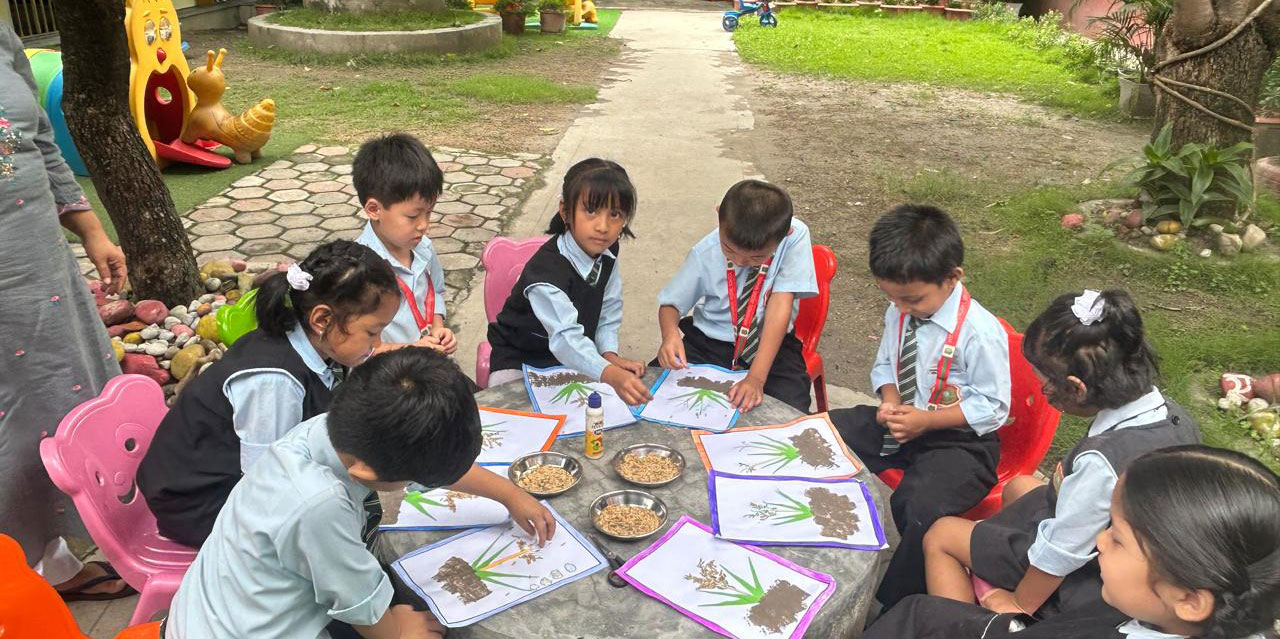
Thematic teaching represents a shift away from the traditional, siloed approach to education, where subjects are taught in isolation. Instead of treating math, science, and language arts as separate compartments, this method weaves them together through a central, engaging theme. By connecting learning to real-world topics like “Our Community” or “The Environment,” thematic teaching creates a cohesive narrative that makes education more meaningful and accessible for children.
Thematic teaching holds transformative potential for Nepal’s education system, particularly as the country moves toward a more holistic, competency-based curriculum. By integrating traditional subjects through themes rooted in the Nepalese context, educators can bridge the gap between classroom theory and the diverse lived realities of students from the Himalayas to the Terai.
A thematic approach in Nepal allows for the direct integration of local culture, geography, and civic life into the learning process. For example, a theme centered on “Water Resources” could seamlessly combine Science (the water cycle and hydropower), Geography (Nepal’s river systems), Social Studies (the importance of water in religious rituals), and Math (calculating rainfall or water usage). This makes learning feel immediate and necessary, rather than a collection of facts imported from foreign textbooks. It encourages students to look at their own communities—such as the management of a local Guthi or the biodiversity of a nearby National Park—as primary sources of knowledge.
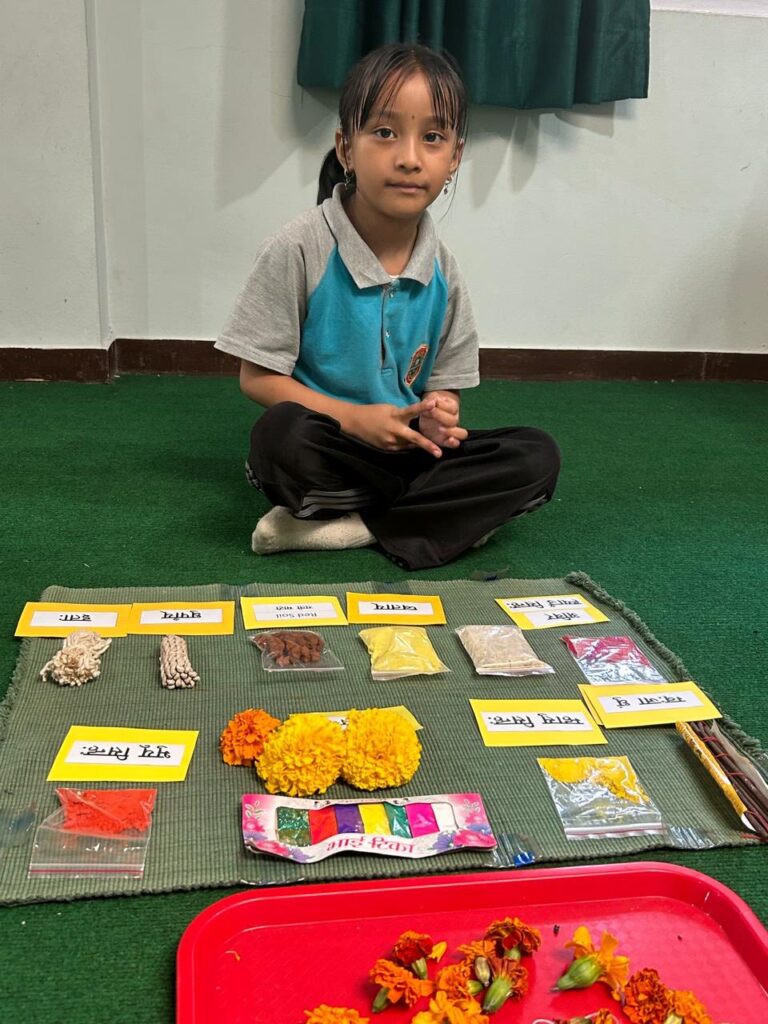
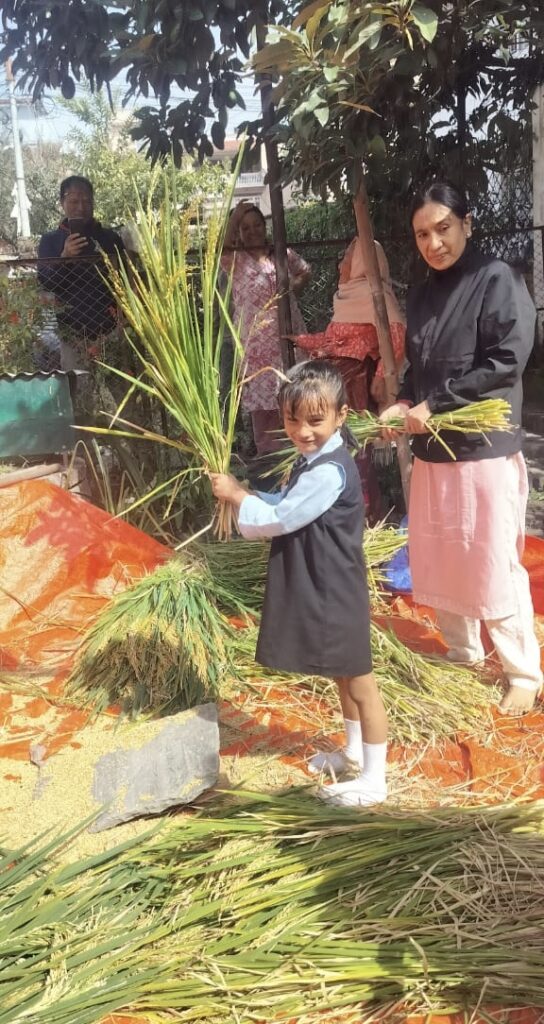
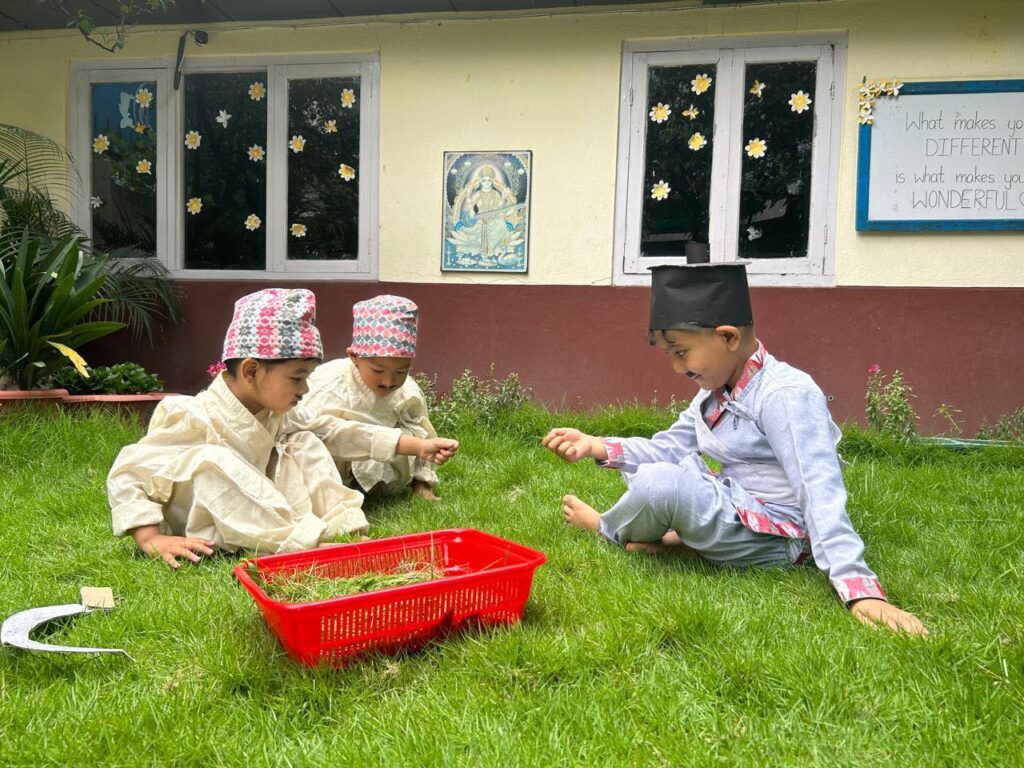
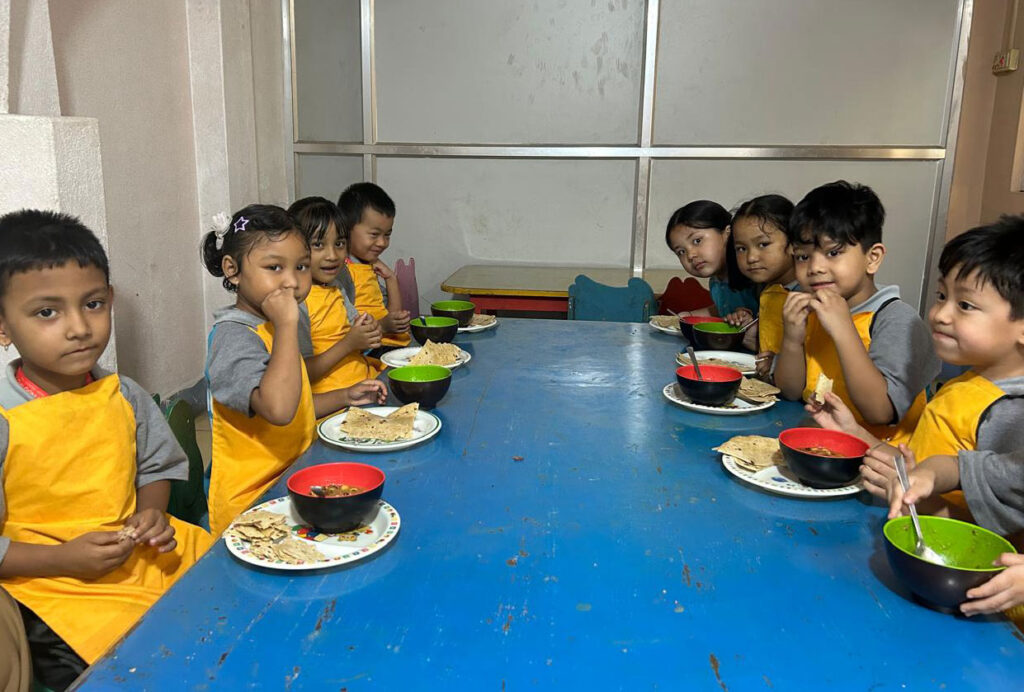
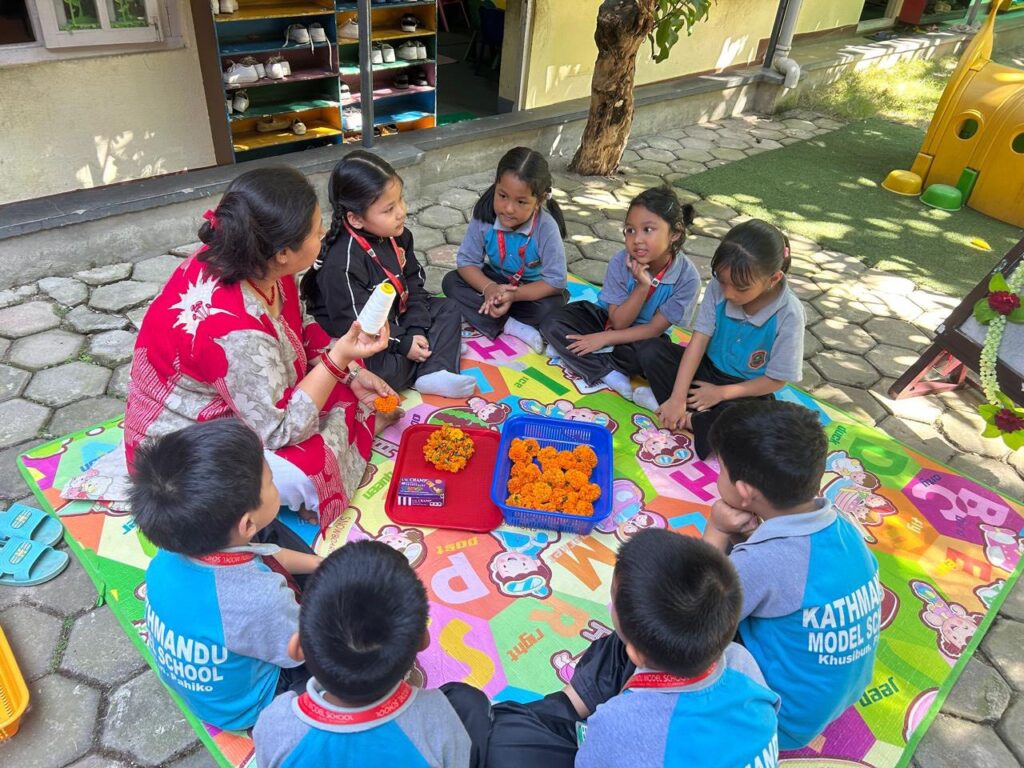
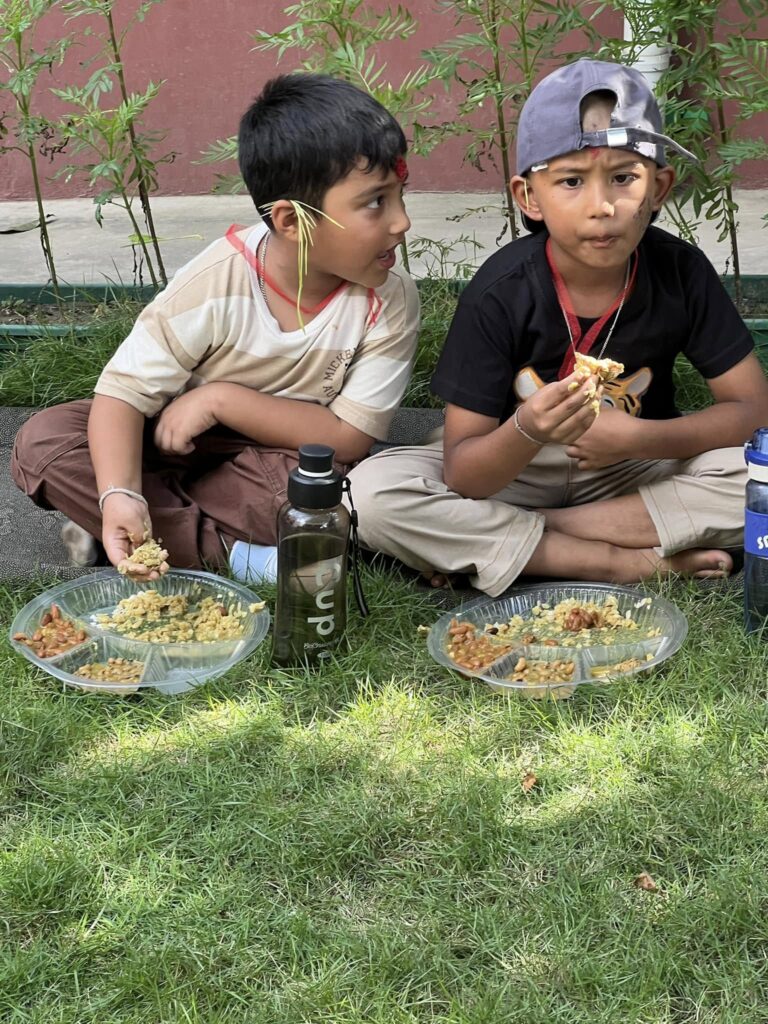
Furthermore, this method addresses the linguistic and cultural diversity of the Nepalese classroom. By using overarching themes like “Our Festivals” or “Life in the Village,” teachers can incorporate local languages and indigenous knowledge alongside the national curriculum. This creates a more inclusive environment where students from various ethnic backgrounds see their heritage reflected in their studies. In rural areas, where resources may be scarce, thematic teaching allows educators to use the natural environment as a laboratory, turning a local forest or farm into a multi-disciplinary classroom.
Finally, thematic teaching aligns with Nepal’s national goals of developing critical thinking and self-reliance. Instead of rote memorization aimed solely at passing the SEE (Secondary Education Examination), thematic units encourage inquiry and problem-solving. Students learn to analyze local challenges—such as climate change in the mountains or urbanization in the Kathmandu Valley—through multiple lenses. By breaking down the silos between subjects, Nepal can produce a generation of learners who are not only academically proficient but also deeply connected to the social and environmental fabric of their nation.
Integrated Subjects
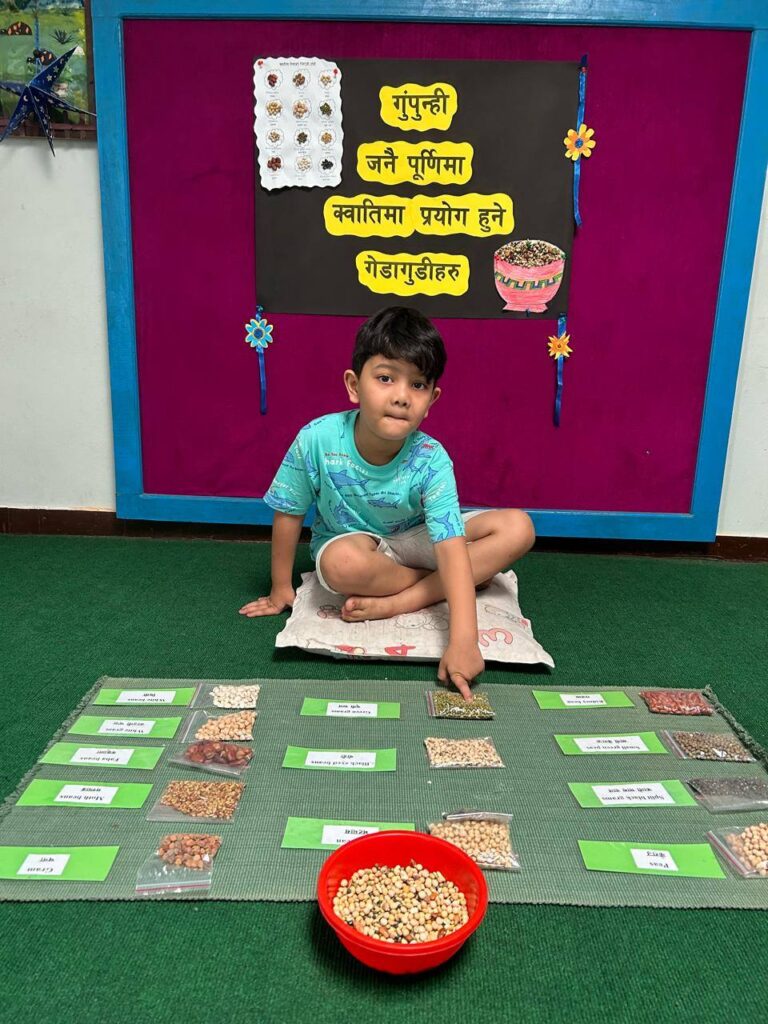
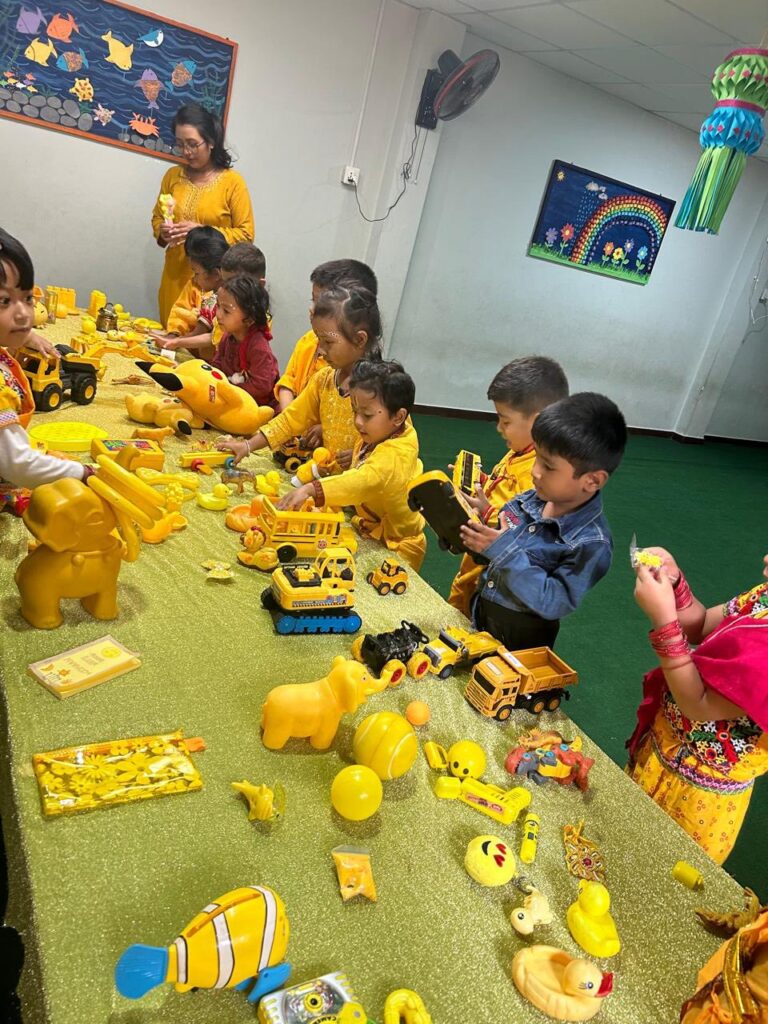
Topics, such as seasons or holidays, blend literacy, history and arts, allowing students to explore concepts from multiple angles.
Active Learning
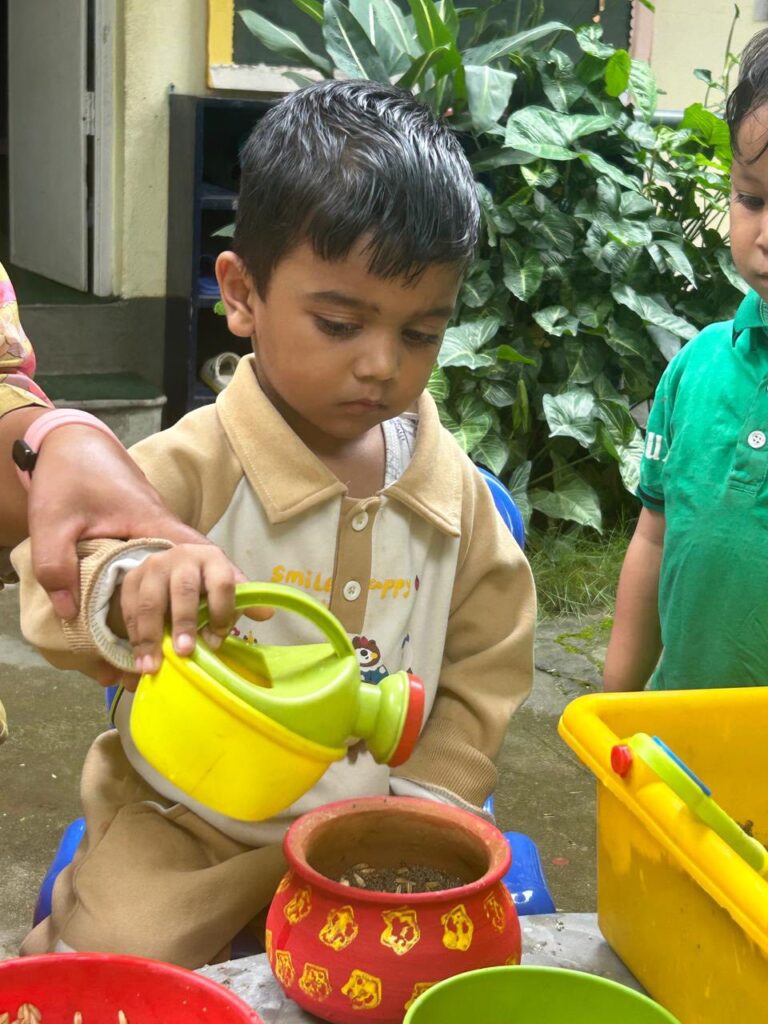
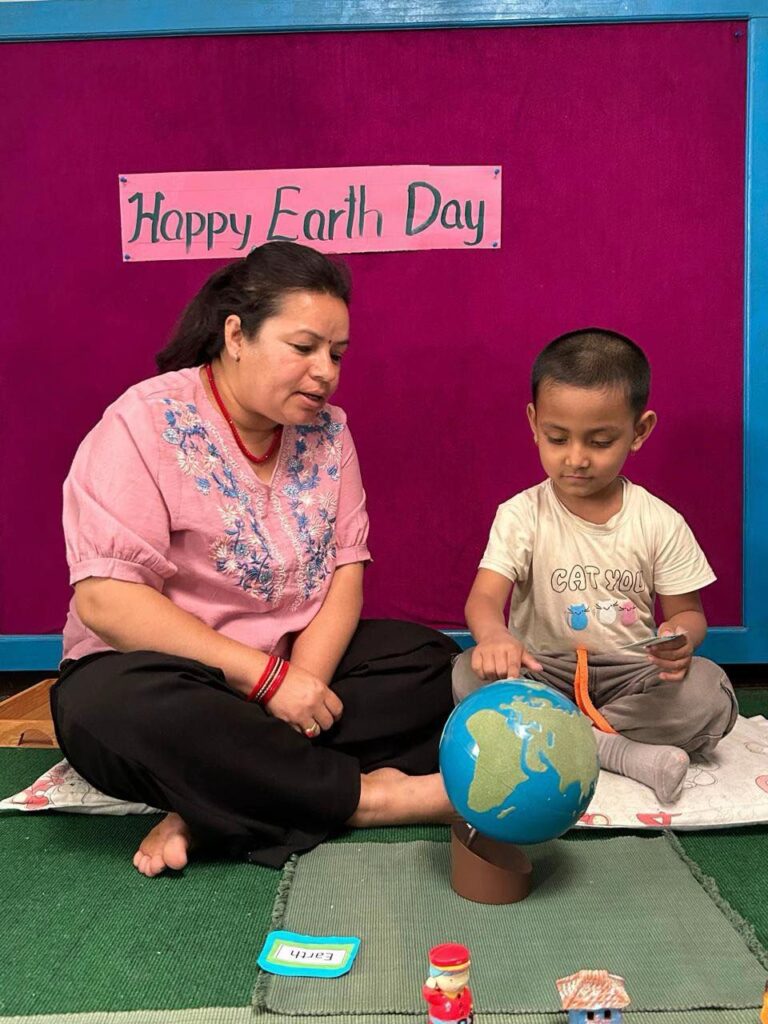
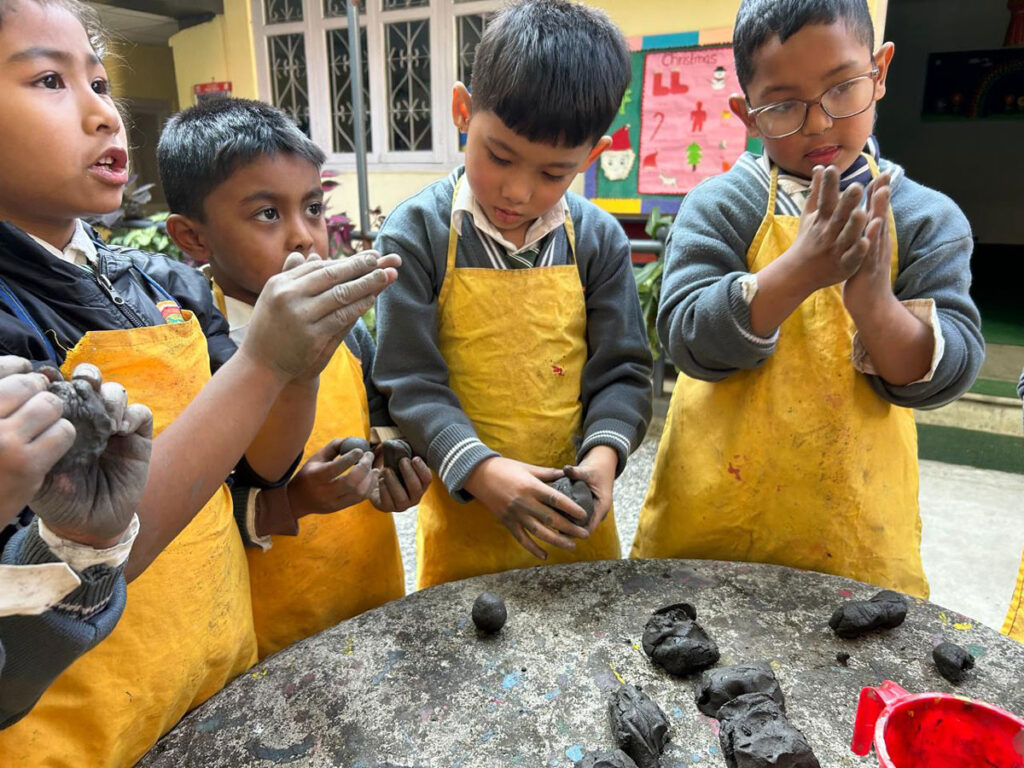
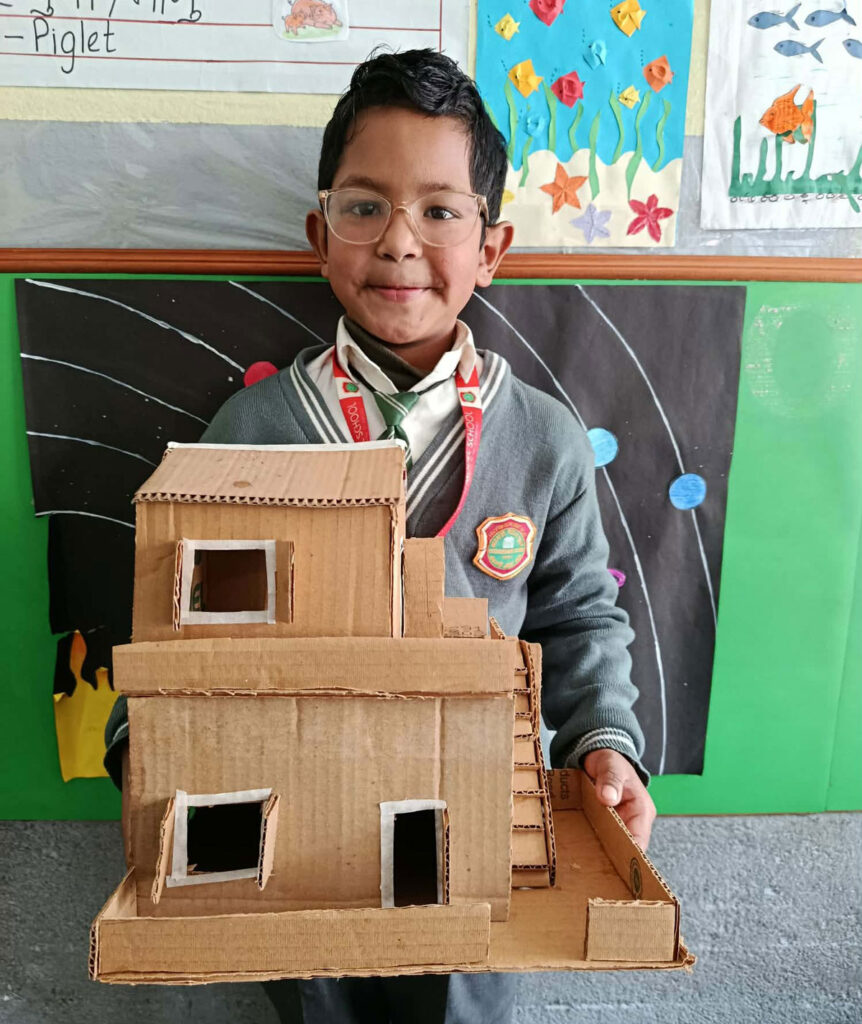
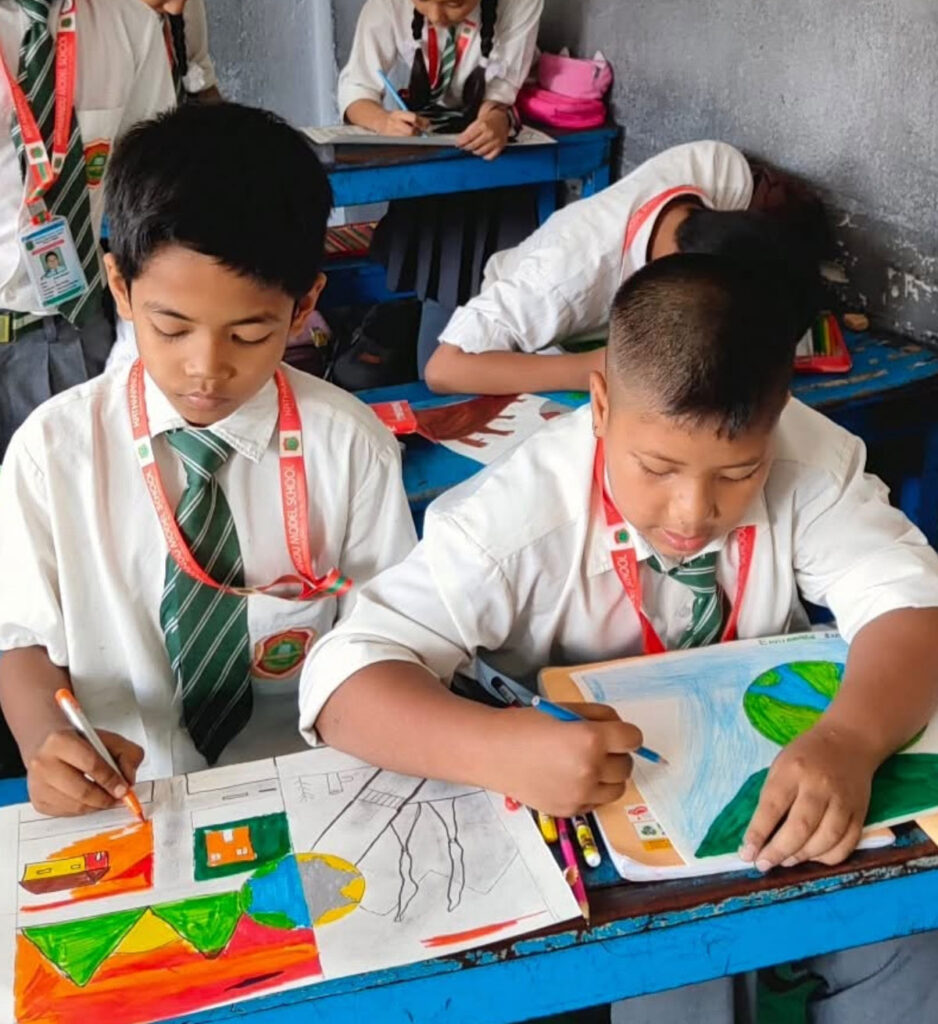
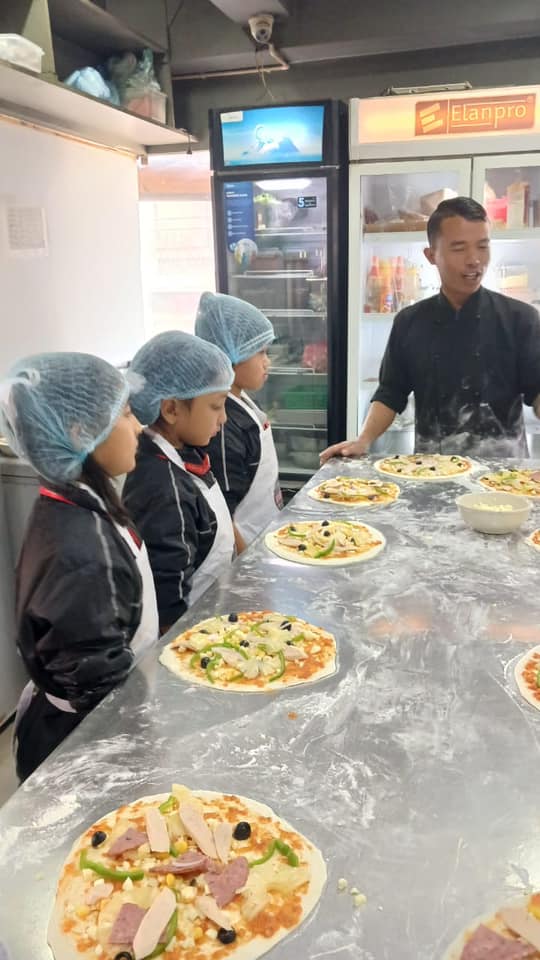
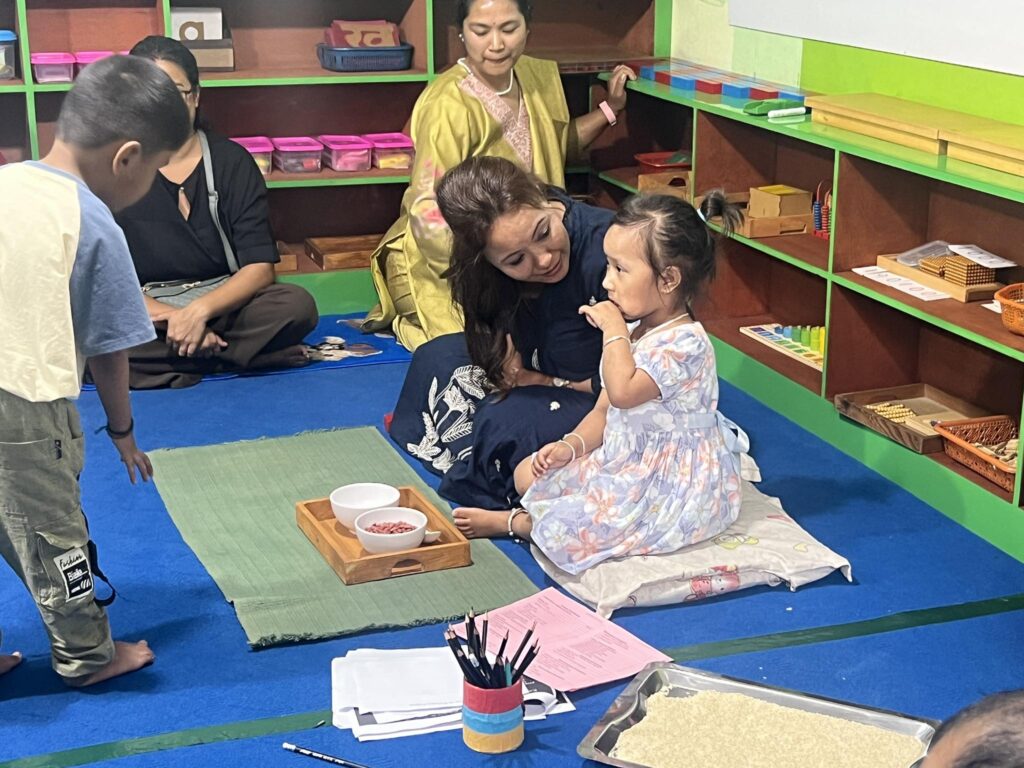
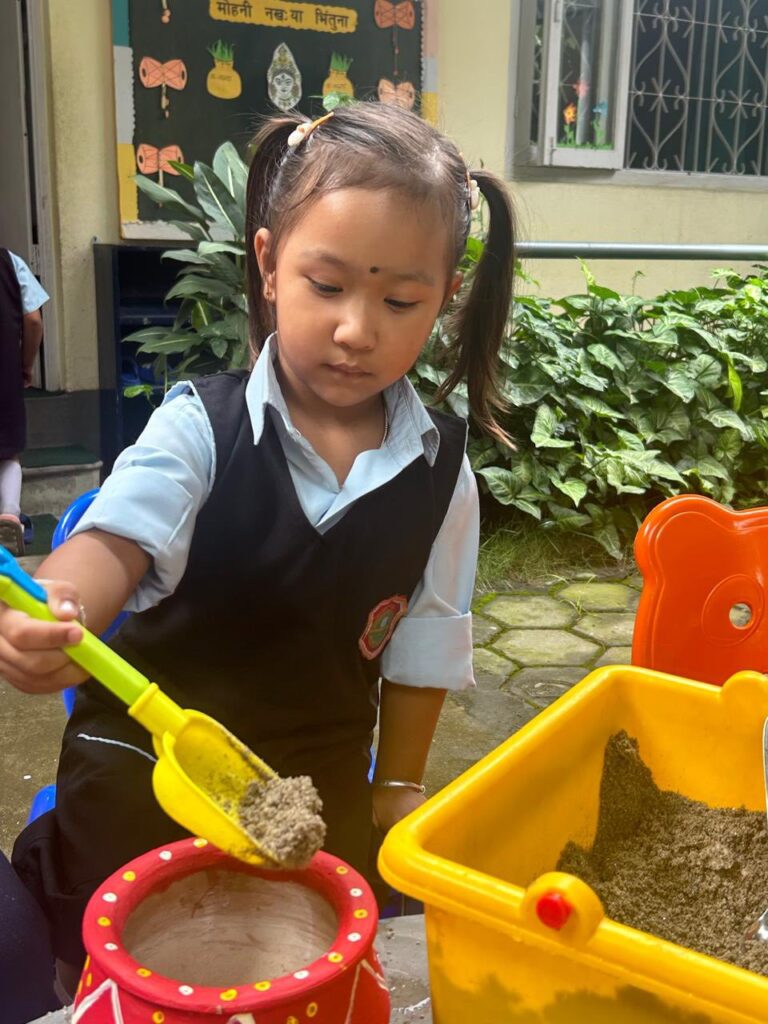
Students often use hands-on methods—like building models or analyzing data—to explore, which boosts engagement and retention
Real-World Relevance
By focusing on topics like “Our Community,” children understand how their academic work relates to their daily lives.
Conceptual Connections
Students learn to identify patterns and relationships, moving beyond isolated facts to deeper understanding.
Student-Centered
Often referred to as the Project Approach, this method allows for individualized learning, fostering curiosity and self-motivation.
Deep Inquiry
Focuses on “big questions” that require critical thinking, moving students from basic memorization to investigating complex, open-ended problems.